Sports injuries affect millions of athletes each year, from weekend warriors to professional competitors. A sports medicine doctor in San Antonio can help you understand effective prevention strategies and provide expert care when injuries occur.
Understanding when to seek professional medical attention is crucial for maintaining your athletic performance and long-term health.
In short, preventing sports injuries requires proper preparation, technique, and knowing when to seek professional medical care. You will learn about the following – and more – in this blog:
- Prevention strategies – Proper warm-up, conditioning, and equipment reduce injury risk by up to 50%.
- Early intervention – Seeking immediate care prevents minor injuries from becoming major problems.
- Professional guidance – Sports medicine doctors provide specialized treatment and recovery plans.
What Are the Most Effective Sports Injury Prevention Strategies?
Prevention remains the best approach to avoiding sports injuries. Research from the National Institute of Health shows that proper prevention strategies can reduce injury rates by up to 50%.
Proper Warm-Up and Cool-Down
Every training session should begin with a dynamic warm-up lasting 10-15 minutes. This preparation increases blood flow to muscles and improves joint mobility. A comprehensive warm-up includes:
- Light cardio activities like jogging or jumping jacks.
- Dynamic stretching movements specific to your sport.
- Gradual intensity increases that prepare your body for activity.
Cool-down periods are equally important. Spending 10 minutes on static stretching and light movement helps prevent muscle stiffness and promotes recovery.
Strength and Conditioning Programs
Building overall body strength creates a foundation that protects against injury. Balanced strength training should target:
- Core muscles for stability and balance.
- Major muscle groups used in your specific sport.
- Opposing muscle groups to prevent imbalances.
Regular conditioning improves bone density, muscle strength, and joint stability. Athletes who follow structured strength programs experience fewer injuries compared to those who skip conditioning.
Proper Equipment and Technique
Using appropriate protective gear and maintaining proper form are essential safety measures. Equipment should fit correctly and meet current safety standards for your sport.
Technique coaching helps athletes move efficiently while reducing stress on joints and muscles. Poor form increases injury risk and decreases performance. Working with qualified coaches ensures you develop safe movement patterns.
How Do I Know When a Sports Injury Needs Medical Attention?
Many athletes delay seeking medical care, hoping minor injuries will resolve on their own. However, early intervention prevents complications and speeds recovery.
Immediate Medical Attention Signs
Seek emergency care if you experience:
- Severe pain that prevents weight bearing or normal movement.
- Visible bone deformities or suspected fractures.
- Complete inability to move a joint or limb.
- Signs of concussion including confusion, dizziness, or memory loss.
The Cleveland Clinic reports that immediate treatment within the first 24-48 hours significantly improves outcomes for most sports injuries.
When to Schedule an Appointment
Contact a sports medicine doctor if you have:
- Persistent pain lasting more than 2-3 days.
- Swelling that does not improve with rest and ice.
- Joint instability or feeling like something is “loose.”
- Recurring injuries in the same area.
Ignoring these warning signs often leads to chronic problems that require more extensive treatment. Early evaluation by an ortho doctor helps identify the root cause and prevents further damage.
What Types of Injuries Do Sports Medicine Doctors Treat?
Sports medicine specialists handle a wide range of athletic injuries using advanced diagnostic tools and treatment methods.
Common Acute Injuries
Sports medicine doctors frequently treat sudden-onset injuries, including:
- Sprains and strains affecting ligaments and muscles.
- Fractures from direct impact or overuse.
- Dislocations requiring immediate reduction.
- Cuts and bruises needing professional assessment.
Overuse and Chronic Conditions
Repetitive stress injuries develop gradually and include:
- Tendinitis in the shoulders, elbows, and knees.
- Stress fractures from repetitive impact.
- Bursitis causing joint inflammation.
- Muscle imbalances leading to compensation patterns.
Data from the Cleveland Clinic shows that overuse injuries account for nearly 50% of all sports-related medical visits.
What Should I Expect During My First Sports Medicine Visit?
Understanding the evaluation process helps you prepare for your appointment and ensures you receive comprehensive care.
Comprehensive Medical History
Your sports medicine doctor will review:
- Details about your injury, including when and how it occurred.
- Previous injuries and treatment history.
- Current activity level and athletic goals.
- Overall health status and medications.
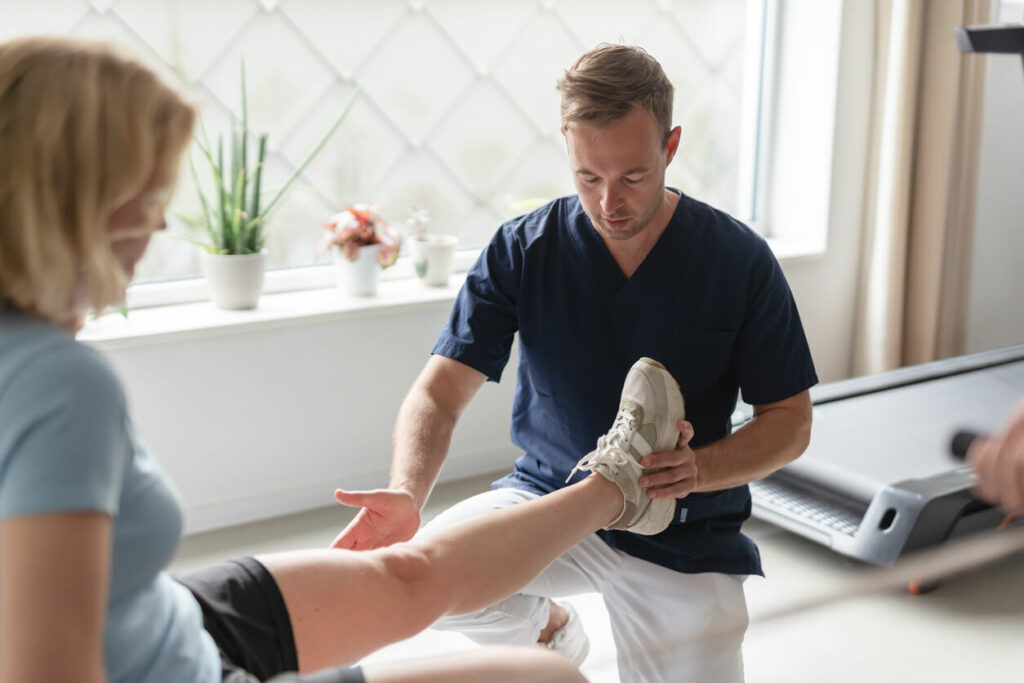
Physical Examination and Testing
The examination typically includes:
- Range of motion testing to assess joint function.
- Strength testing to identify muscle weaknesses.
- Special tests specific to your injury type.
- Imaging studies like X-rays or MRI, if needed.
Based on these findings, your doctor will develop a personalized treatment plan addressing both immediate symptoms and long-term recovery goals.
How Can I Find the Right Sports Medicine Doctor in San Antonio?
Choosing the right healthcare provider ensures you receive specialized care tailored to athletic injuries and performance goals.
Key Qualifications to Look For
When selecting a sports medicine doctor, consider the following:
- Board certification in sports medicine or orthopedic surgery
- Experience treating your specific sport or injury type
- Access to advanced diagnostic and treatment technologies
- Positive patient reviews and professional reputation
Treatment Approach and Philosophy
The best sports medicine doctors focus on getting athletes back to their sport safely. They should offer the following:
- Evidence-based treatment protocols
- Clear communication about recovery timelines
- Injury prevention education and strategies
- Coordination with other healthcare providers, when needed
Sports Medicine Doctor in San Antonio, TX
If you are experiencing sports-related pain or want to learn more about injury prevention, the Center for Orthopaedic Surgery and Sports Medicine provides comprehensive sports medicine services. Our experienced team specializes in helping athletes of all levels recover from injuries and return to peak performance.
Do not let injuries sideline your athletic goals. Contact our sports medicine specialists today to schedule your consultation and take the first step toward optimal athletic health. Call us today at (210) 692-7400 or fill out our appointment request form to schedule your appointment with a trusted sports medicine doctor in San Antonio.
