
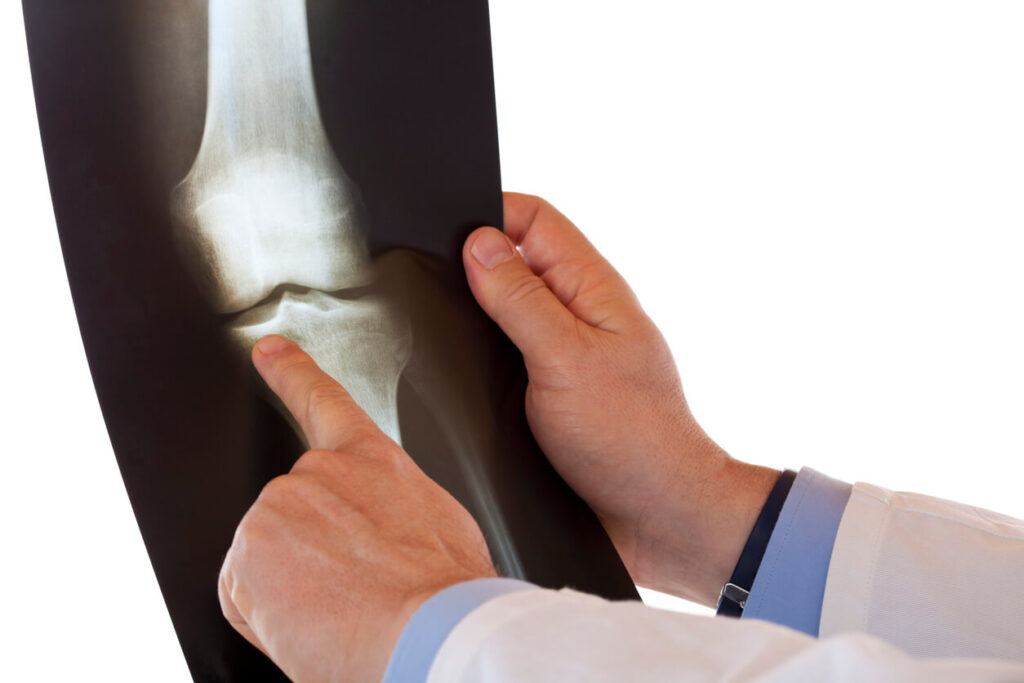
If you are wondering when to see an orthopedic surgeon, the answer is usually when musculoskeletal pain affects your daily life or limits function.
- Persistent pain: Pain lasting longer than 12 weeks is considered chronic and warrants a professional evaluation.
- Reduced mobility: Difficulty walking, climbing stairs, or performing daily tasks suggests an underlying orthopedic issue.
- Injury impact: Acute injuries that do not improve with rest or home care require specialized medical attention.
Most of us experience aches and pains occasionally, but knowing when to search for an orthopedic surgeon near you can mean the difference between a quick recovery and long-term complications. Your musculoskeletal system — which includes your bones, joints, ligaments, tendons, and muscles — is complex. While minor strains might heal with rest, certain symptoms serve as warning signs that you need expert care.
This guide explores the specific signs indicating it is time to see a specialist. We will cover common conditions, what to expect during a visit, and why delaying care can often lead to more significant problems down the road.
What Does an Orthopedic Surgeon Treat?
An orthopedic surgeon specializes in diagnosing, treating, and preventing disorders of the musculoskeletal system. These specialists manage everything from sports injuries to degenerative diseases like arthritis. They do not just perform surgery; they also provide non-surgical interventions such as injections, medication management, and rehabilitation plans.
If you have sustained a fracture, torn a ligament, or are suffering from chronic back pain, an ortho specialist is the right doctor to see. They treat conditions affecting the hips, knees, shoulders, elbows, hands, and spine. Their goal is to restore function and improve your quality of life.
Many people assume they should only see a surgeon if they know they need an operation. However, orthopedic surgeons often explore conservative treatments first. Surgery is typically reserved for cases where other methods have failed to provide relief.
What Are Signs I Should Search for an Orthopedic Surgeon Near Me?
Determining when to seek help can be challenging. You might think your knee pain is just a sign of aging or that your shoulder stiffness will eventually pass. However, specific indicators suggest you need a professional evaluation.
You Have Chronic Pain
Pain is considered chronic if it lasts longer than 12 weeks. If you have been dealing with discomfort in your joints or bones for months, it is time to find an orthopedic surgeon. Chronic pain can alter the way you move, leading to secondary issues in other parts of your body.
According to the Centers for Disease Control and Prevention (CDC), chronic pain is one of the most common reasons adults seek medical care. Ignoring it does not make it go away; often, it allows the underlying condition to worsen.
Your Range of Motion Is Limited
Can you fully straighten your arm? Is it difficult to stand up straight? If your joints feel stiff or tight, preventing you from moving freely, you should see an ortho specialist.
Limited range of motion can indicate arthritis or a buildup of scar tissue. Early intervention can help maintain joint function and prevent permanent stiffness.
You Experience Instability While Walking
If you feel like your knee might give way or your ankle feels wobbly when you walk, you may have ligament damage or joint instability. This sensation often indicates a significant structural problem.
Instability increases your risk of falling and sustaining further injuries. An orthopedic surgeon can assess your ligaments and recommend braces, physical therapy, or surgical repair, if necessary.
You Have Difficulty Performing Daily Tasks
When pain interferes with everyday activities like climbing stairs, carrying groceries, or getting out of a chair, it is impacting your quality of life. You should not have to modify your life around your pain.
If you find yourself avoiding certain movements or activities because you anticipate pain, it is a clear signal to seek help. An orthopedic surgeon can help you regain your independence.
You Have Suffered a Soft Tissue Injury
Sprains and strains are common, but if pain and swelling persist after 48 hours of home treatment (rest, ice, compression, and elevation), you need a professional opinion.
Early management of soft tissue injuries significantly improves long-term outcomes. Delaying treatment can lead to chronic instability or improper healing.
You Have Joint Pain That Gets Worse at Night
Pain that keeps you awake at night or wakes you up is a red flag. Night pain is a common symptom of rotator cuff tears and hip arthritis.
Rest should alleviate most mechanical pain. If your pain persists even when you are lying down, it suggests an inflammatory process or a more severe structural issue that requires an orthopedic surgeon’s attention.
Common Conditions Treated by Orthopedic Surgeons
Orthopedic surgeons treat a vast array of conditions. Understanding these can help you identify if your symptoms match a known issue.
Arthritis and Joint Pain
Arthritis is the leading cause of disability in the United States. Osteoarthritis involves the wear and tear of cartilage, while rheumatoid arthritis is an autoimmune disorder. Both cause pain, swelling, and stiffness.
An orthopedic surgeon near you can offer treatments ranging from corticosteroid injections (like Cortisone) to total joint replacement.
Sports Injuries
Athletes are prone to injuries like meniscus tears, ACL ruptures, and stress fractures. These require precise diagnosis and treatment to ensure a safe return to sport.
A study in the Orthopedic Journal of Sports Medicine found that surgical reconstruction of the ACL has a high success rate for returning athletes to their pre-injury level of play.
Carpal Tunnel Syndrome
This condition causes numbness, tingling, and weakness in the hand due to pressure on the median nerve. It is common among people who perform repetitive hand motions.
If left untreated, carpal tunnel syndrome can cause permanent nerve damage. An orthopedic surgeon can perform a simple procedure to release the pressure on the nerve.
Back and Neck Pain
From herniated discs to spinal stenosis, back and neck issues can be debilitating. While many cases resolve with therapy, some require surgical intervention to relieve pressure on the spinal cord or nerves.
What Can I Expect During My Appointment?
When you visit an orthopedic surgeon, the appointment will typically begin with a thorough medical history. The doctor will ask about your symptoms, previous injuries, and general health.
Physical Examination
The surgeon will examine the affected area, checking for swelling, tenderness, and range of motion. They may ask you to perform specific movements to test your strength and stability.
Diagnostic Imaging
X-rays are usually the first step to look for bone fractures or arthritis. If soft tissue damage is suspected, the doctor may order a magnetic resonance imaging (MRI) scan or a computed tomography (CT) scan.
Treatment Plan Discussion
Once a diagnosis is established, the surgeon will discuss your treatment options. This plan may include physical therapy, medication (such as ibuprofen or naproxen), bracing, or surgery.
Why You Should Not Delay Treatment
Delaying care can lead to more complex problems. For example, a small meniscus tear can grow larger, eventually leading to knee arthritis.
Early diagnosis often allows for less invasive treatment options. If you wait until the damage is severe, surgery might become your only option.
Finding an orthopedic surgeon sooner rather than later ensures you have the best chance at a full recovery. It also helps minimize the time you spend in pain.
Finding the Right Orthopedic Surgeon
Choosing the right specialist is critical for your recovery. Look for a board-certified surgeon with experience treating your specific condition.
You can ask your primary care physician for a referral or read patient reviews. Ensure the surgeon listens to your concerns and explains treatment options clearly.
Do not hesitate to ask questions about their experience with specific procedures. A qualified orthopedic surgeon will be happy to discuss their outcomes and success rates.
Orthopedic Surgeon in San Antonio, TX
Living with musculoskeletal pain is not necessary. If you are experiencing any of the signs mentioned above, it is time to search for an orthopedic surgeon and schedule a consultation.
At the Center for Orthopaedic Surgery and Sports Medicine, our team is dedicated to providing comprehensive orthopedic care. We utilize the latest techniques to diagnose and treat a wide range of conditions, helping you return to your active lifestyle.
Whether you need a consultation for a sports injury or are considering joint replacement, we are here to help. Do not let pain dictate your life any longer.
Contact us today at (210) 692-7400 or use our appointment form to schedule your consultation and take the first step toward a pain-free future.
