
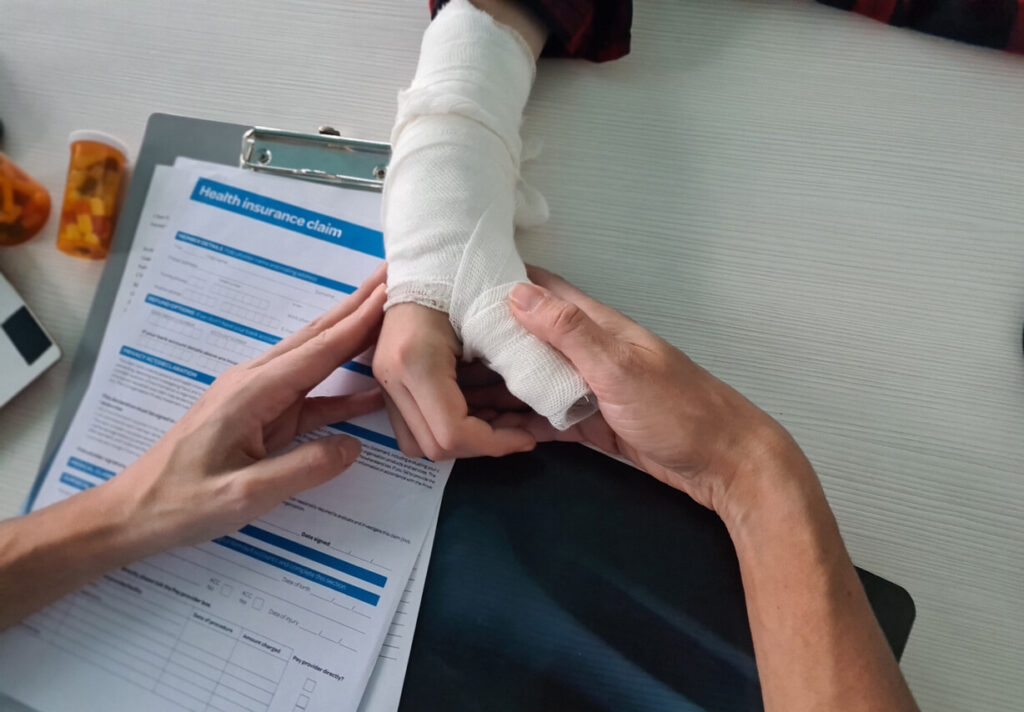
In short, orthopedic procedures restore mobility and reduce pain for millions of Americans annually.
- Joint replacement surgeries. These are among the most frequent operations performed to treat severe arthritis and joint damage.
- Minimally invasive arthroscopy. Surgeons use small cameras to diagnose and treat joint issues with smaller incisions and faster recovery times.
- Soft tissue repair. Procedures like ACL reconstruction and rotator cuff repair help patients return to an active lifestyle safely.
Visiting an orthopedic clinic is the first step toward reclaiming your mobility and living a pain-free life. Millions of people suffer from musculoskeletal conditions that affect their bones, joints, ligaments, tendons, and muscles. While non-surgical treatments are often the first line of defense, surgery is sometimes necessary for long-term relief.
Modern medical advancements have made these procedures safer and more effective than ever before. From total joint replacements to minor carpal tunnel releases, orthopedic surgeons perform a wide variety of operations. This guide explores the most frequently performed procedures to help you understand what to expect.
What Are the Most Common Joint Replacement Surgeries?
Joint replacement surgeries are among the most successful procedures in all of medicine. They typically occur when severe arthritis or injury has damaged a joint beyond repair.
Total Knee Replacement (TKA)
The knee is the largest joint in the body and handles immense stress during daily activities. Over time, cartilage can wear away, which causes bones to rub against one another. This condition is known as osteoarthritis.
During a total knee replacement, the surgeon removes the damaged bone and cartilage. They replace these surfaces with metal and plastic components. This restores the alignment of the knee and allows for smooth movement.
According to the American Academy of Orthopaedic Surgeons, more than 700,000 knee replacements are performed annually in the United States. This number continues to rise as the population ages and desires to remain active.
Total Hip Replacement
The hip joint is a ball-and-socket mechanism that provides stability and movement. When the cartilage in the hip wears down, walking and sitting can become incredibly painful.
In a hip replacement, the damaged femoral head (the ball) is removed and replaced with a metal or ceramic stem. The damaged socket is also removed and replaced with a metal cup.
Shoulder Replacement
While less common than knee or hip surgeries, shoulder replacements are vital for those with severe shoulder arthritis or fractures. The damaged parts of the shoulder are replaced with artificial components.
This surgery is effective for relieving pain that has not responded to anti-inflammatory medications or physical therapy. It can significantly improve the range of motion in the arm.
How Does Arthroscopy Help Diagnose and Treat Joint Issues?
Arthroscopy is a minimally invasive surgical procedure. Surgeons use it to visualize, diagnose, and treat problems inside a joint.
Knee Arthroscopy
This is one of the most common procedures performed by an orthopedic surgeon. The doctor makes a very small incision and inserts a tiny camera called an arthroscope.
This allows them to see the inside of the knee on a screen. They can then repair torn meniscuses or trim damaged cartilage. Because the incisions are small, recovery is generally faster than with open surgery.
Shoulder Arthroscopy
Shoulder arthroscopy is frequently used to treat a variety of conditions. These include rotator cuff tears, labral tears, and impingement syndrome.
The surgeon inserts the arthroscope to assess the damage. They then use small instruments to repair the tissues. This approach minimizes damage to the surrounding muscles and tissues.
Ankle and Hip Arthroscopy
While knee and shoulder scopes are most prevalent, arthroscopy is also used for the ankle and hip. It helps in removing loose bone fragments or repairing cartilage.
A surgeon at an orthopedic clinic can determine if you are a candidate for this minimally invasive approach.
Why Is ACL Reconstruction Vital for Athletes?
The anterior cruciate ligament (ACL) is crucial for stabilizing the knee. It is often injured during sports that involve sudden stops or changes in direction.
The Procedure
An ACL tear usually does not heal on its own. Therefore, reconstruction is often necessary for those who wish to return to sports. The surgeon removes the torn ligament and replaces it with a piece of tendon from another part of the knee or a donor.
Rehabilitation
Rehabilitation is a critical part of the recovery process. Physical therapy begins almost immediately after surgery to restore the range of motion.
A study published in the British Journal of Sports Medicine emphasizes that adherence to rehabilitation protocols significantly reduces the risk of re-injury. Most athletes can return to their sport within six to nine months.
When Is Spinal Surgery Necessary?
Back pain is one of the most common reasons patients visit an orthopedic clinic. While most back pain resolves with conservative care, some conditions require surgical intervention.
Spinal Fusion
Spinal fusion is a surgery to permanently connect two or more vertebrae in the spine. This eliminates motion between them.
It is used to correct problems with the small bones of the spine. It mimics the normal healing process of broken bones. This procedure is often recommended for conditions like degenerative disc disease or spondylolisthesis.
Laminectomy
A laminectomy is a surgery that creates space by removing the lamina. The lamina is the back part of a vertebra that covers the spinal canal.
Also known as decompression surgery, it enlarges the spinal canal to relieve pressure on the spinal cord or nerves. This pressure is often caused by bony overgrowths commonly referred to as bone spurs.
FAQs About Orthopedic Procedures
Below are responses to some common questions we get regarding orthopedic procedures.
How do I know if I need surgery?
Surgery is usually considered only after non-surgical treatments have failed. These might include physical therapy, medications, and lifestyle changes. Your orthopedic surgeon will evaluate your condition using X-rays, MRI, or CT scans to determine the best course of action.
What is the recovery time for joint replacement?
Recovery varies by individual and procedure. Generally, it takes about four to six weeks for recovery from a partial joint replacement and three to six months for a full joint replacement. Your orthopedic surgeon will provide specific instructions based on your unique case.
Can I continue sports or physical activities after surgery?
Yes, in most cases, you can resume sports or physical activities after fully recovering from surgery. Your orthopedic surgeon will advise you on when it is safe to return to your usual level of activity.
Orthopedic Clinic in San Antonio, TX
If you are in need of orthopedic care in the San Antonio, TX area, the Center for Orthopaedic Surgery and Sports Medicine is here to help. Our team of experienced orthopedic surgeons and specialists provides a wide range of services for all types of bone, joint, and muscle conditions.
From sports injuries to joint replacements, we offer comprehensive treatment options tailored to your specific needs. We understand that each case is unique, and we strive to provide personalized care and support throughout your recovery journey.
Our state-of-the-art facility is equipped with the latest technology and equipment to ensure the highest quality of care. We also have on-site physical therapy services to help you regain strength and mobility after surgery.
Contact us today by calling (210) 692-7400 to schedule a consultation at our clinic.
