
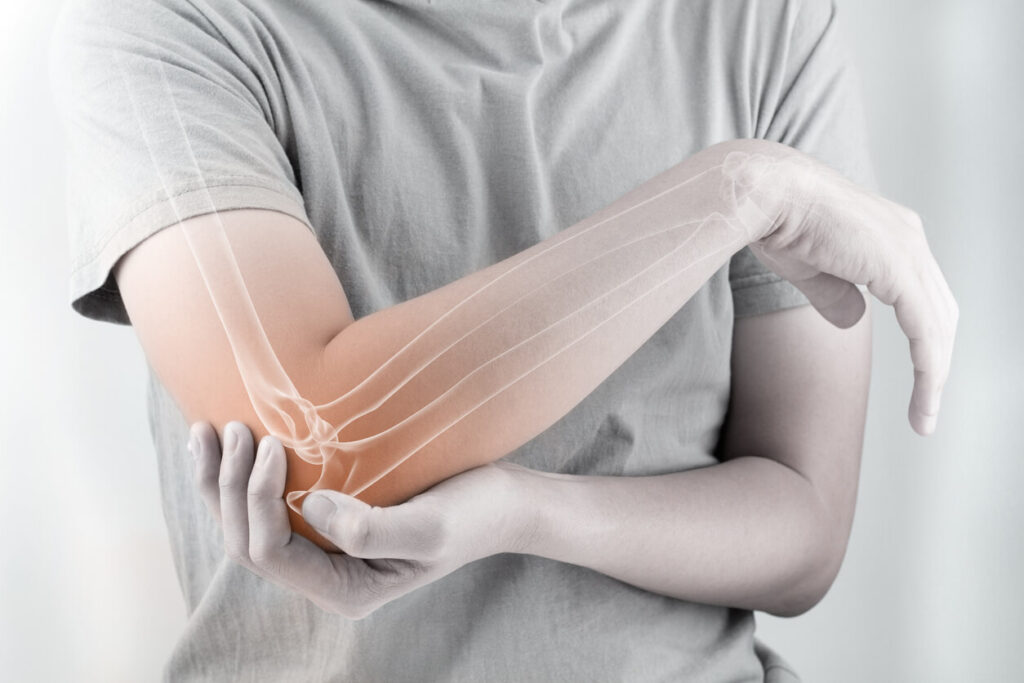
In short, a broken elbow is a severe orthopedic injury that demands immediate medical evaluation.
- Immediate and Severe Pain. An elbow fracture causes immediate, debilitating pain upon impact.
- Rapid Swelling and Bruising. The affected joint will swell and turn purple rapidly.
- Inability to Bend Joint. The structural damage prevents normal arm movement.
When you experience a traumatic arm injury, searching for elbow fracture treatment near you is the most critical step toward ensuring proper healing. A broken elbow is a highly painful orthopedic condition that can severely limit your daily activities, reduce your mobility, and compromise your independence.
Recognizing the immediate symptoms is essential so that you can seek prompt medical intervention and avoid long-term structural complications.
What Is an Elbow Fracture?
An elbow fracture occurs when one or more of the bones that make up the elbow joint crack, splinter, or shatter. The elbow is a complex hinge joint where three specific bones converge to facilitate movement. Understanding this basic human anatomy helps you comprehend the true severity of the orthopedic injury.
The Anatomy of the Elbow
The humerus is the upper arm bone that connects your shoulder down to your elbow. The radius and ulna are the two primary bones in your forearm that connect the elbow to your wrist. A fracture can happen in any of these individual bones, and the exact location dictates your specific symptoms and recovery plan.
Why the Joint Is Vulnerable
Because the elbow lacks a thick layer of protective muscle or fat, the bones sit very close to the surface of the skin. This anatomical design leaves the joint highly exposed to blunt force trauma. When an accident happens, the bones absorb the entire shock of the impact directly.
What Are the Most Common Causes?
Finding reliable elbow fracture treatment near you is necessary because these complex injuries happen in a wide variety of everyday scenarios. Knowing the root causes can help you prevent future orthopedic injuries, protect your joints, and maintain your overall physical health.
- Direct Blows to the Elbow. Falling directly backward onto the joint causes sudden fractures.
- Falls on Outstretched Hands. Catching yourself instinctively forces the impact into the elbow.
- Severe Direct Blunt Trauma. Vehicle collisions exert enough physical force to shatter bones.
What Are the Clear Signs You Have a Broken Elbow?
Securing prompt elbow fracture treatment near you depends entirely on your ability to recognize the urgent physical warning signs. The symptoms extend far beyond basic discomfort and usually indicate significant structural damage beneath the skin.
Immediate Swelling and Inflammation
Swelling occurs after the physical impact, as your body sends fluid and white blood cells to protect the damaged tissue. This sudden inflammation causes the elbow to look visibly deformed or much larger than your uninjured arm. The skin around the joint may also feel unusually tight and warm to the touch.
Severe Bruising and Discoloration
A bone fracture almost always tears the surrounding blood vessels located beneath the skin. This internal bleeding manifests as deep blue, purple, or black bruising that spreads down the forearm or up toward the shoulder. The discoloration typically worsens significantly over the first few days afterward.
Complete Inability to Bend the Arm
The most defining characteristic of a broken elbow is the sudden, complete loss of a normal range of motion. You will likely find it physically impossible to bend or straighten the arm without experiencing extreme, breathtaking pain. The joint may also feel entirely locked or dangerously unstable.
Numbness and Tingling Sensations
The elbow houses several major nerves, including the ulnar nerve, which directly controls the feeling in your fingers. A severe bone break can physically pinch or stretch these delicate nerves. This nerve compression leads to a loss of sensation, profound numbness, or a pins-and-needles feeling in your hand.
How Do Medical Professionals Diagnose the Injury?
When you visit a specialized medical facility for elbow fracture treatment near you, an orthopedic expert will perform a comprehensive physical examination. They will check your pulse, assess your nerve function, and examine the skin for any open wounds. Diagnostic imaging is then required to confirm the exact severity of the bone break.
Essential Diagnostic Imaging Tests
- Standard Diagnostic X-ray. An X-ray visualizes the bone structure to identify obvious breaks.
- Detailed CT Scan. A CT scan provides a crucial three-dimensional joint view.
- Comprehensive MRI Evaluation. Magnetic resonance imaging assesses damage to surrounding soft tissues.
The Importance of Accurate Imaging
According to clinical information provided by the Mayo Clinic, your doctor might recommend a computed tomography scan if the initial X-ray does not provide enough distinct detail. This advanced imaging ensures that no hidden bone fragments are missed during the initial diagnosis. Precise imaging dictates the most effective path forward for your ongoing orthopedic care.
What Does Elbow Fracture Treatment Near Me Entail?
The specific elbow fracture treatment near you that you receive will depend heavily on the distinct type and exact severity of your break. Nonsurgical approaches work very well for minor fractures where the bone remains perfectly aligned in its natural position. Severe fractures almost always require extensive surgical intervention.
Conservative Nonsurgical Treatments
If the bone pieces have not shifted out of place, your doctor will likely prescribe a supportive cast, rigid splint, or specialized sling. This medical equipment keeps the elbow immobilized while the bone naturally heals over several weeks. You will also take over-the-counter pain relievers or prescribed medications to manage the daily discomfort.
Advanced Surgical Interventions
When the bones are displaced or shatter into multiple fragments, an orthopedic surgeon must perform a complex operation to realign them correctly. They use specialized metallic hardware, such as plates, screws, and pins, to hold the fractured bones firmly in the correct position. Afterward, you will enter a rigorous physical therapy program to restore your arm strength.
The Necessity of Physical Therapy
Physical therapy is a mandatory component of recovery, regardless of whether you undergo a surgical procedure. Gentle range-of-motion exercises prevent the joint from freezing up permanently. Sticking to this daily rehabilitation schedule is absolutely critical for returning to your normal physical activities.
What Underlying Health Conditions Increase Fracture Risk?
Certain chronic illnesses severely weaken the bones, making an individual far more susceptible to severe fractures from minor household falls. Managing these underlying medical conditions is an important aspect of protecting your long-term orthopedic health.
Chronic Bone Density Issues
Conditions like osteoporosis severely diminish your total bone mass and compromise your overall structural integrity. A minor physical bump that would normally cause a simple bruise can easily shatter an osteoporotic elbow. You must prioritize bone density screenings as you advance in age.
Systemic Health Conditions
Patients managing diabetes – type 1 or type 2 – often experience slower wound healing and compromised skeletal strength. Furthermore, individuals living with HIV or AIDS can face unique orthopedic challenges due to immune system suppression. Similarly, patients managing severe COPD frequently take corticosteroid medications that thin the bones over time.
Hormonal Imbalances and Treatments
Hormonal changes greatly impact bone density, especially in postmenopausal women navigating significant biological shifts. Some patients utilize hormone replacement therapy (HRT) or bioidentical hormone replacement therapy (BHRT) to help preserve their skeletal strength. Consulting an OB/GYN or an endocrinologist ensures that your hormone levels support healthy bones.
What Complications Can Arise from Untreated Fractures?
Failing to secure proper elbow fracture treatment near you can lead to lifelong physical limitations and chronic agony. The elbow is a very unforgiving joint that becomes profoundly stiff very easily following any blunt trauma. Without professional orthopedic care, you risk serious, irreversible long-term damage.
Post-Traumatic Arthritis Development
The smooth cartilage inside the joint can sustain significant structural damage during the initial physical impact. Over time, this specific damage leads to post-traumatic arthritis, causing chronic pain and stiffness long after the bone itself has healed.
Permanent Nerve and Blood Vessel Damage
Jagged, unaligned bone fragments can easily slice through the delicate arteries and nerves running down your arm. If doctors do not surgically repair these structures promptly, you may lose basic function or physical sensation in your hand permanently.
Nonunion and Malunion Issues
Sometimes the fractured bones fail to fuse back together completely, which is a medical condition known as nonunion. Alternatively, they might heal in the wrong anatomical position, which is known professionally as malunion. Both serious conditions typically require complex secondary surgeries to correct the anatomical deformity.
How Does Nutrition Support Bone Healing?
Securing elbow fracture treatment near you sets the physical foundation for healing, but your body also needs the right metabolic building blocks. A nutrient-dense diet significantly accelerates bone regeneration, speeds up soft tissue repair, and boosts your overall energy levels.
The Role of Calcium and Vitamin D
Calcium is the primary physical mineral that constructs and reinforces your skeletal system. You must consume adequate amounts of dairy products, leafy greens, or fortified cereals to support ongoing bone repair. Vitamin D is equally important because it allows your digestive tract to absorb the dietary calcium effectively.
Protein Intake for Tissue Repair
A severe bone break also damages the surrounding muscles, structural ligaments, and delicate blood vessels. High-quality proteins found in lean meats, natural beans, and fresh eggs provide the necessary amino acids to rebuild these torn soft tissues. Ensuring adequate protein intake prevents extreme muscle atrophy during your immobilization phase.
Vitamin C for Collagen Production
Your body requires massive amounts of vitamin C to produce healthy collagen, which is the foundational protein matrix that new bone minerals attach to. Citrus fruits, colorful bell peppers, and fresh strawberries are excellent dietary sources of this critical antioxidant.
What Do Global Health Organizations Say About Fractures?
Understanding the massive global prevalence of bone injuries highlights exactly why having access to fast, reliable orthopedic care is vital. Global statistical data provides excellent perspective on these highly common traumatic events.
Insights From the CDC
According to recent orthopedic data from the CDC, millions of individuals visit emergency departments every single year for severe fall-related injuries. A significant portion of these hospital visits involves upper extremity trauma, including complicated elbow fractures. Preventing accidental falls in the home is the best way to avoid these painful orthopedic emergencies.
Data From the WHO
Furthermore, public health information published by the WHO indicates that musculoskeletal conditions are the leading contributor to physical disability worldwide. Prompt medical intervention is absolutely critical to minimize the long-term impact of a shattered arm joint. Securing the right medical team dictates whether you experience a full physical recovery or suffer a permanent bodily impairment.
Find Expert Elbow Fracture Treatment in San Antonio, Texas
If you are experiencing severe joint pain, rapid arm swelling, and an absolute inability to bend your arm, you need immediate professional help. Securing elbow fracture treatment near you ensures that you heal correctly, avoid permanent nerve damage, and regain full joint mobility. Do not let a sudden traumatic injury compromise your long-term quality of life.
At Center for Orthopaedic Surgery and Sports Medicine, our dedicated team provides cutting-edge orthopedic care for all types of complex bone breaks. We use advanced diagnostic imaging to create customized, highly effective recovery plans for every single patient.
Contact our San Antonio clinic today at (210) 692-7400 or use our online appointment request form to schedule a comprehensive evaluation and start your journey toward complete physical healing.
