An orthopedic doctor near you specializes in diagnosing, treating, and managing conditions related to the musculoskeletal system, which includes bones, joints, muscles, ligaments, and tendons. In short,
- Orthopedic doctors treat fractures, bone deformities, osteoporosis, and other bone-related conditions.
- They help manage arthritis, joint pain, and injuries affecting cartilage, such as a torn meniscus or dislocated joints.
- These specialists address muscle strains, torn ligaments (like ACL injuries), and tendon issues such as tendinitis.
Persistent joint pain or a sudden sports injury can bring your life to a standstill. When you experience issues with your bones, muscles, or joints, you need specialized care to get back on your feet.
You might start by searching for an “orthopedic doctor near me,” but you may also wonder what exactly these specialists do and how they can help you recover.
What Does An Orthopedic Doctor Near Me Do?
Orthopedic doctors specialize in diagnosing, treating, and preventing conditions of the musculoskeletal system. This complex system includes your bones, joints, ligaments, tendons, muscles, and nerves. In fact, according to research from the National Institutes of Health (NIH), an estimated 83 million adults in the United States aged 15–64 have a musculoskeletal disorder.
The role of an orthopedic doctor extends far beyond simply fixing broken bones. They manage a wide range of issues that impact your mobility and comfort. Many of these doctors pursue additional training to specialize in specific areas, such as sports medicine, spine surgery, or joint replacement.
Whether you are dealing with a degenerative joint disease or a sudden trauma, searching for an orthopedic doctor near you is the first step toward reclaiming your active lifestyle.
Common Conditions Managed by an Orthopedic Doctor
Orthopedic doctors address a vast spectrum of issues that disrupt daily movement. Conditions treated by an orthopedic doctor typically fall into a few primary categories:
Fractures and Dislocations
Acute trauma requires immediate and precise care. Orthopedic doctors treat broken bones in any part of the body, from simple hairline fractures to complex, multi-fragment breaks. They also treat joint dislocations, safely moving the joint back into its normal position and repairing any surrounding tissue damage.
Arthritis and Joint Degeneration
Arthritis causes severe joint pain, stiffness, and swelling. Osteoarthritis, often called wear-and-tear arthritis, breaks down the protective cartilage in your joints over time.
Rheumatoid arthritis, an autoimmune condition, causes chronic joint inflammation. Orthopedic specialists help manage these symptoms to keep you moving comfortably.
Ligament and Tendon Injuries
Soft tissue injuries are incredibly common, and according to Johns Hopkins Medicine, Many activities can lead to soft-tissue damage. Tendons connect muscle to bone, while ligaments connect bone to bone. When these tissues stretch or tear, they cause significant pain and instability.
Common examples include ACL tears in the knee, rotator cuff tears in the shoulder, tennis elbow, and Achilles tendonitis.
Spinal Conditions
Back and neck pain can severely limit your daily activities. Orthopedic doctors who specialize in the spine address issues like herniated discs, sciatica, spinal stenosis, and scoliosis. By identifying the root cause of nerve compression and spinal instability, they develop plans to reduce pain and restore proper spinal function.
Sports Injuries
Athletes and active individuals often sustain injuries during physical activities. Orthopedic specialists manage everything from minor sprains and strains to complex joint damage. Their deep understanding of body mechanics allows them to help athletes recover safely and prevent future injuries.
Exploring Orthopedic Subspecialties
Because the musculoskeletal system is so complex, many doctors choose to sub-specialize. If you are looking for a bone doctor near you with specific expertise, you might encounter these specialized fields:
- Hand and Upper Extremity: Focuses on the intricate mechanics of the hands, wrists, and elbows, treating conditions like carpal tunnel syndrome and trigger finger.
- Foot and Ankle: Addresses complex issues involving the lower extremities, including plantar fasciitis, bunions, and Achilles tendon ruptures.
- Pediatric Orthopedics: Dedicated to treating children, managing growth-related issues, congenital anomalies like clubfoot, and pediatric fractures.
- Orthopedic Oncology: Specializes in diagnosing and treating benign and malignant tumors of the bone and soft connective tissues.
The Patient Journey: From Symptoms to Recovery
Orthopedic care follows a structured path. It begins with recognizing symptoms and ends with complete rehabilitation.
Recognizing Symptoms and Seeking Diagnosis
You should seek out an orthopedic doctor near you if you experience persistent pain, severe stiffness, unexpected swelling, limited range of motion, or joint instability. Early consultation with an orthopedic specialist ensures an accurate diagnosis and prevents your condition from worsening.
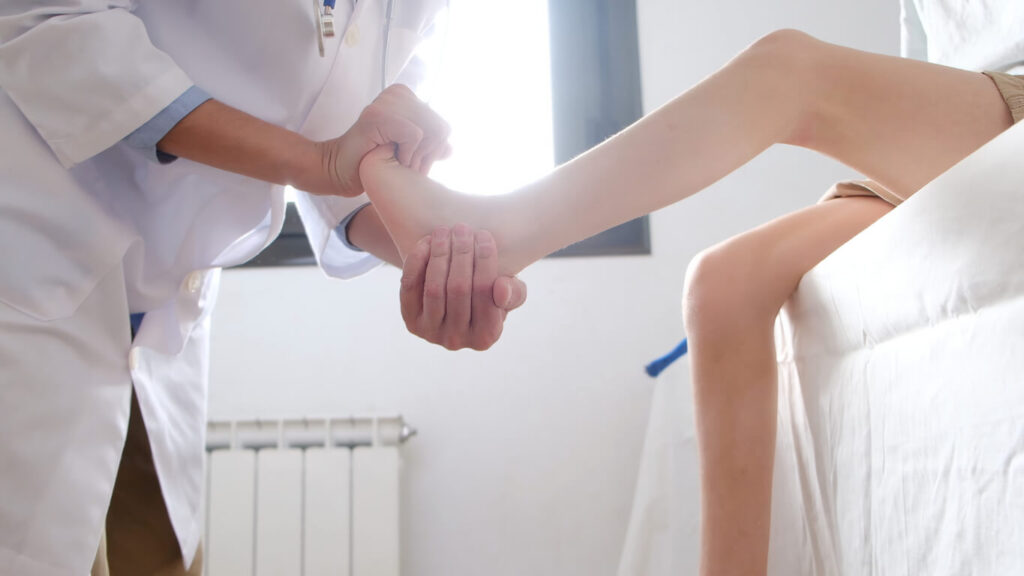
During your first visit, the doctor will conduct a thorough physical examination and review your complete medical history. They will often order advanced imaging tests to see exactly what is happening beneath the skin. X-rays provide clear pictures of dense structures like bone, while MRI and CT scans offer detailed views of soft tissues like cartilage and ligaments. Prompt and precise diagnosis directly improves your treatment outcomes.
Treatment Approaches in Orthopedic Care
Orthopedic treatment plans are highly individualized. Your doctor will tailor their approach based on your specific condition, its severity, and your personal health goals.
Conservative and Non-Surgical Management
Many orthopedic conditions do not require surgery. Orthopedic doctors usually explore conservative treatments first to provide pain relief and functional improvement. Common non-surgical options include:
- Medication Management: Using anti-inflammatory drugs, pain relievers, and muscle relaxants to reduce discomfort and swelling.
- Physical Therapy: Implementing targeted exercises and stretching routines to build strength, increase flexibility, and expand range of motion.
- Targeted Injections: Administering corticosteroids or hyaluronic acid directly into joints to quickly reduce acute inflammation and pain.
- Bracing and Casting: Immobilizing a specific body part to allow bones and soft tissues to heal properly.
Surgical Interventions
If conservative options fail to provide relief, an orthopedic surgeon near you can evaluate you for a surgical procedure. Surgeons use advanced techniques to repair or replace damaged structures safely.
- Arthroscopy: A minimally invasive technique using a tiny camera and specialized instruments to diagnose and repair joint damage through small incisions.
- Joint Replacement Surgery: Removing a severely damaged joint and replacing it with a durable artificial implant, commonly performed on knees and hips.
- Fracture Repair: Using internal fixation devices like plates, screws, and rods to stabilize complex broken bones.
- Spinal Fusion: Permanently connecting two or more vertebrae in your spine to improve stability and correct deformities.
Rehabilitation and Long-Term Wellness
Rehabilitation is a critical phase of your orthopedic journey. After an injury or surgery, physical and occupational therapy help you regain your strength and mobility. Sticking closely to your prescribed rehabilitation program prevents re-injury and ensures the best possible recovery.
Long-term musculoskeletal wellness requires ongoing effort. You can support your joints by maintaining a healthy weight, which reduces stress on your knees and hips. Engaging in regular low-impact exercises, like swimming or cycling, keeps your joints lubricated and your muscles strong.
Practical Lifestyle Recommendations for Musculoskeletal Health
You can take proactive steps to maintain strong bones and healthy joints. Make these lifestyle choices to protect your musculoskeletal health:
- Exercise regularly: Engage in moderate, weight-bearing activities to strengthen your bones and surrounding muscles.
- Eat a balanced diet: Focus on foods rich in calcium and Vitamin D to support bone density.
- Avoid harmful habits: Quit smoking and limit alcohol consumption, as both can interfere with bone healing and overall health.
- Practice good ergonomics: Support your spine and joints by using proper posture at work and home.
Frequently Asked Questions
Some of the most frequently asked questions from an ortho doctor are:
Do I need a referral to see an orthopedic doctor near me?
Your need for a referral depends entirely on your health insurance plan. Many Preferred Provider Organization (PPO) plans allow you to book directly with a specialist. Health Maintenance Organization (HMO) plans usually require a formal referral from your primary care physician. Always verify your specific requirements with your insurance provider before scheduling.
What is the most common orthopedic problem?
Arthritis, chronic back pain, and sports-related injuries rank among the most common orthopedic issues. Osteoarthritis frequently affects older adults, causing progressive joint pain.
If persistent pain limits your movement, consult a specialist to explore your treatment options.
When should I see an orthopedic doctor near me?
You should see a doctor if you experience joint or muscle pain that lasts longer than a few days. Seek immediate care for severe injuries, fractures, or an inability to bear weight. If daily activities cause you pain, an orthopedic specialist can help.
How Can I Find an Orthopedic Doctor Near San Antonio, TX?
If musculoskeletal pain stops you from enjoying your daily life, the team of dedicated orthopedic specialists at the Center for Orthopaedic Surgery and Sports Medicine is ready to help. We provide comprehensive, patient-centered care driven by clinical expertise. We utilize the latest diagnostic tools and advanced treatment modalities to deliver the highest quality outcomes.
Do not let pain dictate your life. Consult with our expert team to take the first step toward lasting mobility and better health. Call us directly at (210) 692-7400 or use our convenient online appointment request form to schedule your consultation.
