
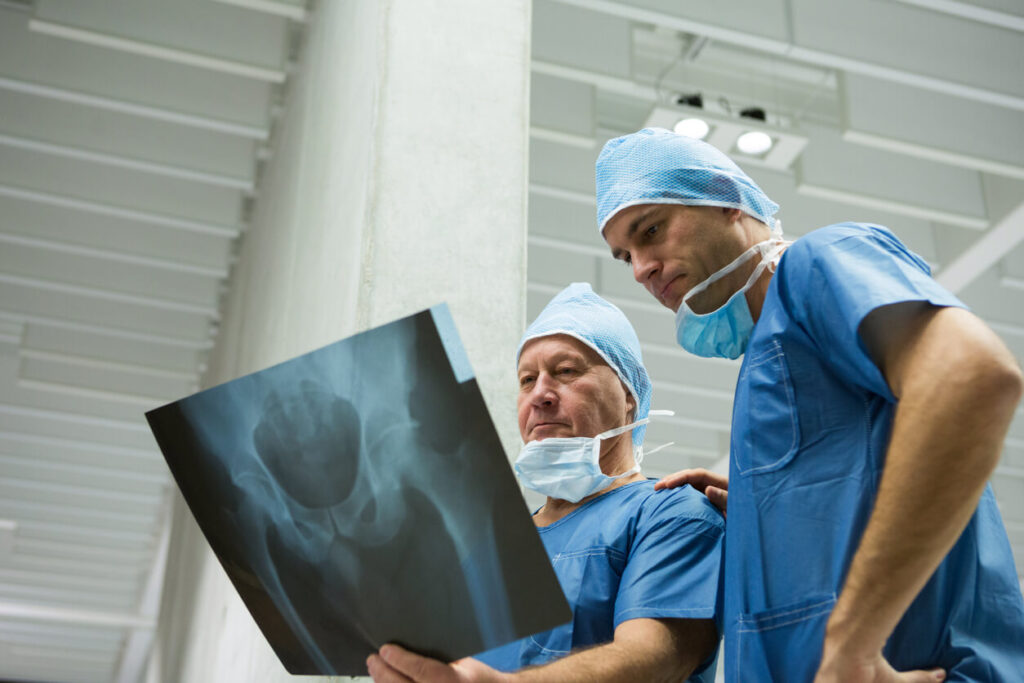
Recovering from total hip arthroplasty involves a structured timeline that gradually restores function and eliminates joint pain.
- Hospital stay duration. Most patients are discharged within one to two days following the surgical procedure.
- Physical therapy necessity. Consistent rehabilitation exercises are essential for rebuilding muscle strength and ensuring proper joint mechanics.
- Return to activity. Full recovery typically takes six to twelve months, though major improvements happen much sooner.
Total hip arthroplasty is a highly successful procedure, but the road to full health does not end when the surgery is complete. Understanding the recovery timeline helps patients manage expectations and prepare their homes for a safe return.
Recovery is a gradual process that varies for everyone. Factors such as age, overall health, and commitment to physical therapy play significant roles in how quickly one heals.
What Happens Immediately After Surgery?
The recovery process begins almost as soon as the anesthesia wears off. You will wake up in a recovery room where medical staff will monitor your vital signs and pain levels. It is common to have a special wedge-shaped cushion placed between your legs to keep the new hip joint in a proper position.
Nurses will encourage you to sit up or stand within 24 hours of the operation. This early movement is critical for preventing blood clots and stiffness. You may feel groggy, but taking those first few steps is a major milestone in your recovery journey.
Pain management is a priority during this initial phase. Your care team will administer medication to keep you comfortable, so you can participate in early physical therapy sessions.
The First Few Weeks at Home
Most patients return home within one to two days after surgery. You will likely need assistance with daily tasks such as cooking, cleaning, and bathing for the first week or two. It is vital to prepare your home beforehand by removing tripping hazards like loose rugs and electrical cords.
You must keep the surgical incision clean and dry to prevent infection. Follow the specific instructions provided by your surgeon regarding shower safety and dressing changes. If you notice increasing redness or drainage, contact your medical provider immediately.
Physical therapy will continue at home or at an outpatient facility. Early and consistent rehabilitation leads to significantly better functional outcomes for patients. These exercises focus on improving range of motion and strengthening the muscles surrounding the new joint.
Managing Pain and Medications
Pain is a natural part of the healing process, but it should improve steadily over time. Your surgeon will provide a plan to manage discomfort effectively. This usually involves a combination of prescription and over-the-counter medications.
You might be prescribed opioids such as hydrocodone (Vicodin) or oxycodone (OxyContin) for severe pain immediately after surgery. Because opioids carry a risk of addiction, doctors generally prescribe them for a short duration. It is important to stop taking them as soon as your pain becomes manageable with milder options.
For moderate pain, nonsteroidal anti-inflammatory drugs (NSAIDs) are often recommended. Common options include ibuprofen (Advil) or naproxen (Aleve). Always consult your doctor before mixing medications to avoid adverse interactions.
Rehabilitation and Physical Therapy
Physical therapy is arguably the most critical component of a successful recovery. Your therapist will guide you through exercises designed to strengthen the hip abductor muscles. Weakness in these muscles can cause a limp or instability while walking.
You will start with simple movements like ankle pumps and leg raises. As you gain strength, the exercises will become more challenging. You might use resistance bands or a stationary bicycle to improve endurance.
Returning to Normal Activities
Most patients can resume light daily activities within six weeks. You may be able to stop using a walker and switch to a cane or crutch during this time. However, you should continue to avoid high-impact activities that could damage the new joint.
Driving is usually permitted once you are off prescription pain medication and have regained sufficient reflexes. This typically occurs between four and six weeks post-surgery. Always ask your surgeon for clearance before getting behind the wheel.
Returning to work depends on the physical demands of your job. Patients with desk jobs may return in a few weeks, while those with labor-intensive roles may need three months or more.
Long-Term Recovery and Results
Full recovery from hip replacement surgery can take up to a year. During this time, the bone continues to bond with the implant, and the muscles continue to strengthen. You will likely notice that your hip feels more natural and moves more freely as time passes.
You should be able to enjoy low-impact activities like swimming, golfing, and hiking. Avoiding high-impact sports like running or basketball will help prolong the life of your implant.
Preventing Blood Clots
Blood clots are a serious risk following orthopedic surgery. Your limited mobility in the first few weeks can cause blood to pool in the leg veins. This can lead to deep vein thrombosis (DVT).
Your surgeon will likely prescribe a blood thinner to mitigate this risk. Common anticoagulants include aspirin (Bayer), warfarin (Coumadin), or enoxaparin (Lovenox). You might also be instructed to wear compression stockings to improve circulation.
Moving your legs and ankles frequently is the best natural defense against clots. Report any sudden swelling or tenderness in your calves to your doctor immediately.
Recognizing Signs of Infection
While rare, infection is a serious complication that can occur after surgery. It can happen superficially at the incision site or deep around the prosthesis. You must be vigilant in monitoring your surgical wound.
Signs of infection include a fever higher than 101°F (38.3°C). You may also observe shaking chills or increased redness and heat around the hip. A change in the color or odor of drainage from the incision is also a warning sign.
If you experience pain that worsens even when you are resting or taking medication, contact your surgeon. Early detection allows for treatment with antibiotics, whereas deep infections may require further surgery.
Diet and Nutrition for Healing
Proper nutrition plays a vital role in how quickly your body heals. Your body needs extra energy to repair tissues and fight off potential infections. Eating a balanced diet is one of the best ways to support your recovery.
Protein is essential for muscle repair and immune function. Include lean meats, eggs, beans, and dairy products in your meals. Vitamin C and zinc are also important for wound healing and can be found in citrus fruits and leafy vegetables.
Hydration is equally important. Drinking plenty of water helps flush out anesthesia and medications from your system. It also helps prevent constipation, which is a common side effect of pain medications.
Orthopedic Surgeon in San Antonio, TX
At the Center for Orthopaedic Surgery and Sports Medicine, our team of highly skilled surgeons specializes in a wide range of orthopedic procedures, including joint replacement, spine surgery, and sports medicine.
We understand that undergoing surgery can be a daunting experience. That’s why we strive to provide our patients with the highest quality of care and support throughout their entire journey. From your initial consultation to your post-operative follow-ups, our team is dedicated to helping you achieve optimal results and get back to living your life to the fullest.
Contact us today at (210) 692-7400 to schedule a consultation and discuss your path to recovery.
