
Persistent tendon pain has a way of creeping into everything you do. It interrupts your work, sidelines your favorite hobbies, and turns simple movements into daily frustrations.
If you have reached the point of wondering whether surgery is your only option, we have reassuring news: for most patients, it is not. Here are the key takeaways:
- Most tendonitis responds well to non-surgical treatments like physical therapy and medication.
- Surgery is rare and considered only when non-surgical treatments fail or when damage is severe.
- Seek medical care if tendon pain persists beyond two weeks despite rest.
Tendonitis, the inflammation or irritation of a tendon, responds remarkably well to conservative, non-surgical care. Surgery is rarely the first step, and often it is not needed at all.
Understanding how specialists evaluate your condition empowers you to make informed decisions about tendonitis treatment near you and your recovery.
What is Tendonitis?
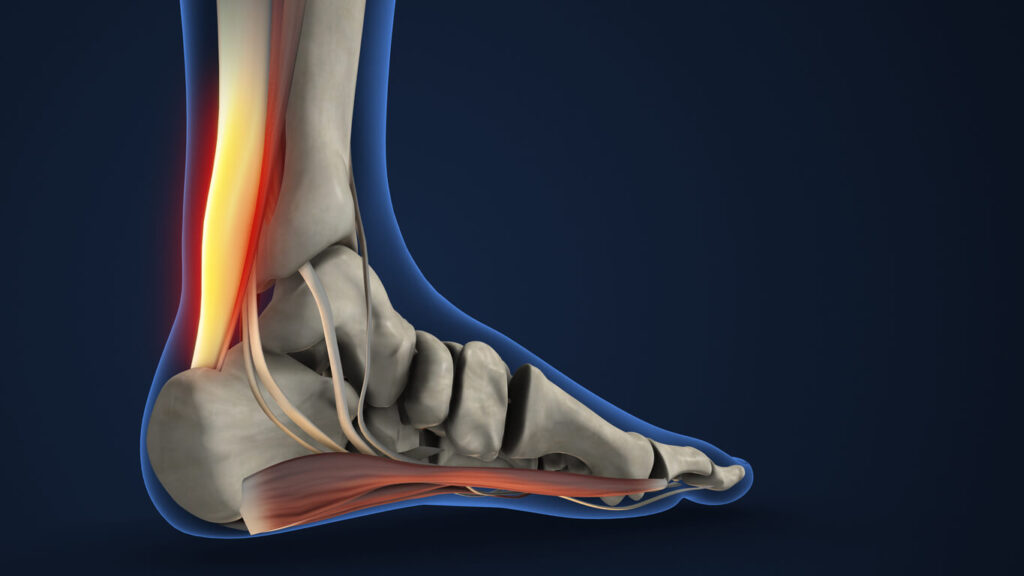
Tendonitis is the inflammation or irritation of a tendon, the fibrous cord that connects muscle to bone. According to Medline, it typically develops after repeated injury to a specific area, such as the wrist or ankle, where overuse triggers pain and swelling.
Chronic cases, often called tendinopathy, involve gradual tendon degeneration without significant inflammation.
This condition can affect nearly any tendon, but it appears most frequently in the:
- Shoulder: Rotator cuff tendonitis
- Elbow: Tennis elbow (lateral epicondylitis) or golfer’s elbow (medial epicondylitis)
- Wrist: De Quervain’s tenosynovitis
- Knee: Jumper’s knee (patellar tendonitis)
- Heel: Achilles tendonitis
Common Causes and Risk Factors
Tendonitis is typically an overuse injury. The most common risk factors include:
- Repetitive motions: Activities in sports, certain occupations, or hobbies can cause micro-trauma over time.
- Sudden increase in activity: An abrupt jump in workout intensity or direct trauma can overload a tendon.
- Age: As we get older, tendons lose elasticity and blood supply, making them more prone to injury.
- Poor biomechanics: Incorrect form or posture places abnormal stress on tendons.
Symptoms of Tendonitis
Symptoms tend to concentrate around the affected tendon. Watch for:
- A dull, aching pain that intensifies with movement
- Tenderness when the area is touched
- Mild swelling, warmth, or redness
- Stiffness, especially in the morning or after rest
- A grating or crackling sensation (crepitus) when the tendon moves
When to Seek Medical Care
Consult an orthopaedic specialist if your pain persists beyond two weeks despite rest, or if it interferes with your daily life. Early evaluation often prevents a minor problem from becoming a chronic one.
Seek immediate medical attention if you experience:
- A sudden “pop” or snapping sensation at the moment of injury
- Severe, immediate pain and swelling
- An inability to move the joint or bear weight on the limb
- A visible lump or deformity in the area
These may signal a tendon rupture, which requires prompt diagnosis and treatment.
Prioritizing Non-Surgical Solutions
At our practice, we prioritize non-surgical solutions for tendonitis treatment near you, ensuring prompt, effective care to support optimal recovery and prevent long-term complications.
Initial Assessment and Diagnosis
According to the Mayo Clinic, tendinitis can often be diagnosed through a physical examination alone.
Our specialists will carefully examine the affected joint, applying pressure and moving it through various positions to assess range of motion, identify the source of pain, and determine which tendon is involved.
If needed, we may order an X-ray, MRI, or ultrasound to rule out other conditions and evaluate the extent of tendon damage.
Conservative Treatment Strategies
We build a multi-faceted, non-surgical plan tailored to your condition. Most plans include a combination of the following:
- RICE protocol: Rest to avoid painful activities, ice to reduce swelling, compression with a bandage, and elevation of the affected limb.
- Anti-inflammatory medications: Over-the-counter NSAIDs like ibuprofen or naproxen can help manage pain, though you should always consult your doctor before starting any new medication.
- Physical therapy: Guided exercises stretch the tendon, strengthen supporting muscles, and correct the biomechanical issues that caused the problem.
- Supportive devices: A brace, splint, or athletic taping can provide support and give the tendon the stability it needs to heal.
For most people, this combination of tendonitis treatment delivers meaningful relief and a full return to activity, without any need for surgery.
When Surgery Becomes a Consideration
Surgery for tendonitis is uncommon. Our surgeons recommend it only after your condition meets specific, well-defined criteria.
Criteria for Surgical Intervention
We consider surgery only in situations where:
- Conservative treatment fails: At least six months of dedicated non-surgical care produces no meaningful improvement.
- A significant tear or rupture exists: Imaging reveals a complete or large partial tear that is unlikely to heal on its own and causes major functional loss.
- A structural problem is present: A clear anatomical issue, such as a bone spur, is actively damaging the tendon through impingement.
Types of Surgical Procedures
When surgery is the right choice, your doctor will recommend advanced, often minimally invasive techniques:
- Debridement: The surgeon removes damaged or scarred portions of the tendon while preserving healthy tissue.
- Tendon repair: For a torn tendon, the surgeon sutures the ends together or reattaches the tendon to the bone.
- Arthroscopic surgery: For joints like the shoulder or knee, small incisions and a tiny camera (arthroscope) allow the surgeon to view and repair the tendon, often resulting in less pain and a faster recovery.
Rehabilitation and Return to Activity
Post-operative care focuses on pain management, wound care, and a structured rehabilitation program. Rehabilitation drives your long-term success, and your commitment to the plan makes all the difference.
- Non-surgical recovery: Progress is gradual, often taking weeks to months of consistent physical therapy.
- Surgical recovery: Recovery is more structured and lengthy, beginning with immobilization before progressing to physical therapy over three to six months or more.
Successful tendonitis treatment near you relieves your pain and returns you to the activities you love. We also educate you on proper mechanics and targeted exercises to help prevent the problem from returning.
Frequently Asked Questions (FAQ)
Below, we have compiled answers to common questions about our tendonitis treatment near you in San Antonio, TX, designed to provide clarity and reassurance throughout your recovery process.
Does tendonitis usually require surgery?
No. The vast majority of tendonitis cases resolve with non-surgical care such as rest, physical therapy, and anti-inflammatory medication.
Surgery is reserved for severe tears, structural problems, or cases that do not improve after at least six months of conservative treatment.
How long does tendonitis take to heal without surgery?
Recovery varies by tendon and severity, but many patients improve over several weeks to a few months of consistent physical therapy and activity modification. Early tendonitis treatment near you generally leads to faster, more reliable results.
When should I see a specialist for tendonitis treatment near me?
See an orthopaedic specialist if your pain lasts longer than two weeks despite rest or interferes with daily activities. Seek immediate care if you feel a sudden pop, experience severe pain and swelling, or cannot move the joint.
How do I find the right tendonitis treatment near me?
Look for a practice with board-certified orthopaedic specialists, on-site diagnostic imaging, and a full rehabilitation team. Prompt, expert evaluation ensures an accurate diagnosis and the most effective, least invasive treatment plan for your condition.
Can tendonitis come back after treatment?
Yes, tendonitis can recur, especially if the underlying cause goes unaddressed. Correcting biomechanics, gradually increasing activity, and maintaining tendon-supporting strength exercises significantly reduce the risk of recurrence.
Expert Tendonitis Treatment in San Antonio, TX
Persistent tendon pain requires professional evaluation. Self-treatment delays recovery and can turn a manageable condition into a chronic one. Our board-certified orthopaedic team provides thorough assessments and personalized treatment plans tailored to your specific goals.
Early, conservative care offers the highest success rates and reduces the likelihood of invasive procedures. We work closely with you throughout the process, supporting informed decision-making and a safe return to daily activity.
To schedule a consultation, call (210) 692-7400 or submit an appointment request through our online form.
