
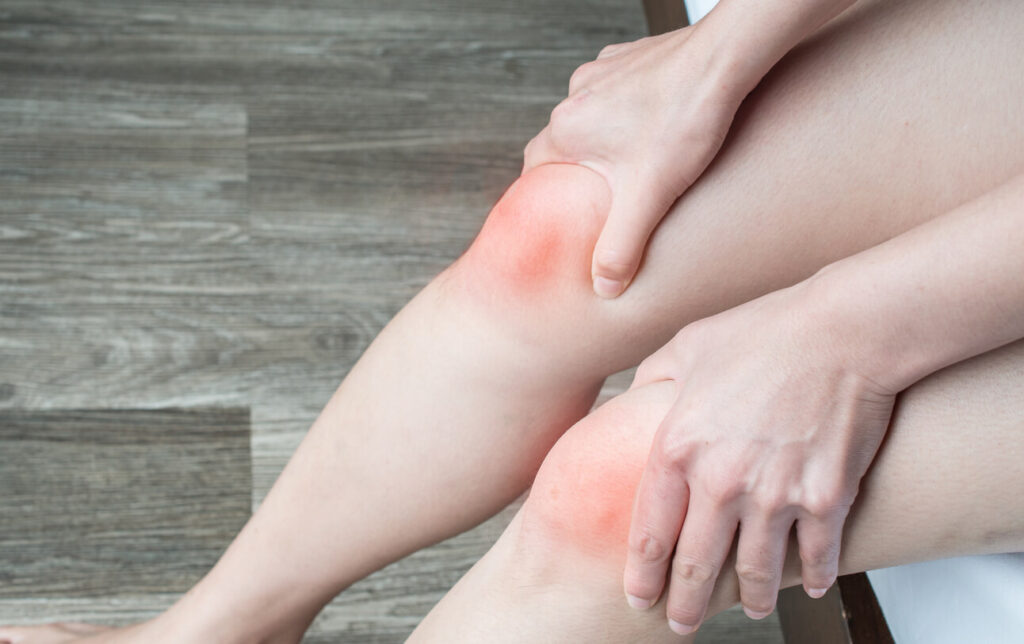
Treatment for an unstable kneecap is determined by the severity of the condition and the patient’s individual needs.
In short,
- An unstable kneecap can be managed with a spectrum of treatments, from conservative methods like bracing and physical therapy to surgical intervention.
- For many patients, especially those with a first-time dislocation, non-surgical options are highly effective in restoring stability and function.
- In cases of recurrent instability, significant structural damage, or when conservative care fails, orthopedic surgery may be necessary to correct the underlying anatomical issues.
An unstable kneecap, medically known as patellar instability, occurs when the patella (kneecap) slips out of its normal position in the trochlear groove, a channel in the femur. This displacement can be a partial slip (subluxation) or a complete dislocation.
Patellar dislocations are common, representing 3% of all knee injuries, according to the National Institutes of Health (NIH). This condition can cause pain, swelling, and loss of knee function.
At the Center for Orthopaedic Surgery and Sports Medicine, our orthopedic specialists diagnose and treat patellar instability, restoring stability and improving our patients’ quality of life.
What Causes an Unstable Kneecap?
Patellar instability occurs when the kneecap fails to track correctly within its groove, which, according to the Cleveland Clinic, can lead to a dislocated knee. It can be caused by several factors, including:
- Trauma: A direct blow to the knee or a sudden twisting motion.
- Anatomical Factors: Issues such as a shallow trochlear groove, loose ligaments (ligamentous laxity), or muscular imbalances around the knee.
Symptoms often include:
- Sudden, sharp knee pain
- Rapid swelling
- A sensation of the knee “giving way”
- A visible deformity in cases of complete dislocation
Who Needs Treatment?
Treatment is recommended for individuals whose condition negatively affects their daily life or poses a risk of further joint damage. This includes:
- Recurrent Episodes: Patients with repeated subluxations or dislocations, as each event damages cartilage and ligaments.
- Functional Limitations: Those whose work, daily activities, or sports participation is compromised by pain or fear of dislocation.
- Risk of Long-Term Damage: Ongoing instability wears down articular cartilage, increasing the risk of premature patellofemoral arthritis.
Non-Surgical Approaches for Patellar Instability
For many patients, particularly after a first-time dislocation, non-surgical management is the recommended initial approach. The primary goals are to reduce pain and inflammation, stabilize the joint, and strengthen surrounding muscles to prevent recurrence.
Initial Management and Immobilization
After the kneecap is repositioned, initial management typically includes:
- Rest and Ice: Limiting activity and applying ice (15-20 min) reduces pain and swelling.
- Bracing or Taping: A knee brace or taping stabilizes the kneecap as ligaments heal.
- Crutches: Crutches allow walking without full weight, promoting healing.
Physical Therapy and Rehabilitation
A structured physical therapy program is crucial for non-surgical treatment. A tailored regimen typically includes:
- Strengthening Exercises: Targeted exercises for the quadriceps (specifically the VMO), hamstrings, hips, and gluteal muscles improve patellar stability.
- Range of Motion: Gentle exercises help restore the knee’s flexibility and prevent stiffness.
- Proprioceptive Training: Balance and coordination exercises improve joint position sense, retraining the nerves and muscles that control the knee.
Surgical Interventions for Patellar Instability
If non-surgical treatments are insufficient or significant structural damage exists, orthopedic surgery may be recommended. Surgical procedures correct specific anatomical problems contributing to instability.
When Surgery Becomes Necessary
Surgery may be recommended under the following circumstances:
- Recurrent Dislocations: Multiple dislocations occur despite completing rehabilitation.
- Significant Structural Damage: An MRI reveals torn ligaments, such as the MPFL, or loose bone/cartilage fragments.
- Persistent Symptoms: The patient experiences chronic pain, constant instability, or functional limitations that significantly impact their quality of life.
Common Surgical Procedures
The choice of procedure is determined by the patient’s specific anatomy and the nature of the instability.
- Medial Patellofemoral Ligament (MPFL) Reconstruction: This procedure reconstructs the primary ligament that stabilizes the kneecap using a tendon graft to prevent it from dislocating outward.
- Tibial Tubercle Osteotomy (TTO): A TTO corrects patellar tendon alignment by repositioning the bony prominence on the shin where the tendon attaches, improving how the kneecap tracks.
- Trochleoplasty: In cases of a shallow trochlear groove, this procedure deepens the groove to create a more stable channel for the patella.
Recovery and Rehabilitation After Treatment
A dedicated rehabilitation program is essential for a successful outcome, whether non-surgical or surgical. The recovery process is gradual, following a structured timeline to ensure proper tissue healing, strength, and function.
Post-Treatment Rehabilitation Phases
Rehabilitation is divided into specific phases, with your physical therapist and orthopedic surgeon guiding your progression based on your recovery.
- Phase 1: Protection and Early Motion (Weeks 0–6): This phase focuses on controlling pain and swelling while introducing gentle range-of-motion exercises to prevent stiffness.
- Phase 2: Strength and Stability (Weeks 6–12): Therapy shifts toward progressive weight-bearing, intensive strengthening, and balance exercises to improve neuromuscular control.
- Phase 3: Return to Activity (Months 3–6+): The final phase incorporates dynamic, functional movements and sport-specific exercises to ensure a safe return to your activities.
Importance of Adherence to Therapy
Commitment to the physical therapy program is crucial for recovery. Consistent participation ensures full strength, flexibility, and stability. Working closely with your therapist ensures safe, effective progress toward recovery goals.
Frequently Asked Questions (FAQ)
Below, we’ve answered common questions to help you better understand an unstable kneecap and its treatment options.
What causes an unstable kneecap?
An unstable kneecap can result from various factors, including ligament injuries, abnormal bone structure, weak surrounding muscles, or previous dislocations. Genetics, improper alignment of the knee joint, or trauma to the area may also contribute.
What are the common symptoms of an unstable kneecap?
The most common symptoms include pain around the kneecap, is a sensation of the kneecap slipping out of place, swelling, and difficulty with mobility. Some individuals may also experience a popping sound when the instability occurs.
How is an unstable kneecap diagnosed?
Diagnosis typically involves a thorough physical examination, a review of your medical history, and imaging tests such as X-rays, MRIs, or CT scans to confirm the condition and evaluate its severity.
What treatment options are available for an unstable kneecap?
Treatment options may range from conservative measures, such as physical therapy and bracing, to surgical interventions if the instability is severe. The appropriate treatment plan will depend on the individual’s condition and activity level.
Can an unstable kneecap be prevented?
While not all cases are preventable, maintaining strong muscles around the knee, practicing proper technique during physical activities, and addressing any early signs of knee pain or instability can help reduce the risk.
Find Treatment for an Unstable Kneecap in San Antonio, TX
If you are experiencing an unstable kneecap, the first step toward recovery is a comprehensive evaluation by an experienced orthopedic professional. At the Center for Orthopaedic Surgery and Sports Medicine, our team is dedicated to providing a precise diagnosis and creating a personalized treatment plan to meet your needs.
Your initial consultation will include a thorough review of your symptoms and medical history, followed by a detailed physical examination. Diagnostic imaging, such as X-rays or an MRI, may be ordered to confirm the diagnosis and assess the extent of the instability.
If you are experiencing symptoms or have concerns about an unstable kneecap, we encourage you to schedule an appointment with our expert team today. Contact us at (210) 692-7400 or use our online appointment request form to schedule your consultation.
